Direkt zum Inhalt
Zum Hauptinhalt springen

Grovine

von NamelaType
Einzelschnitte ab $19.00 USD
Die Schriftfamilie Grovine wurde von Nur Syamsi entworfen und von NamelaType veröffentlicht. Grovine enthält 1 Stile. Mehr über diese Familie

Über die Familie


Grovine – Retro Groovy Display Typeface for Bold Vintage Branding

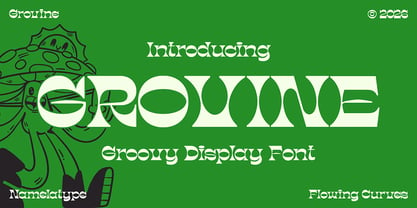
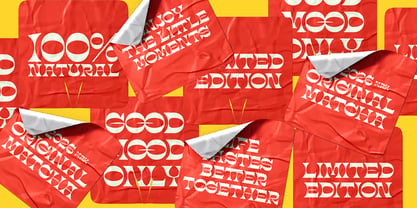
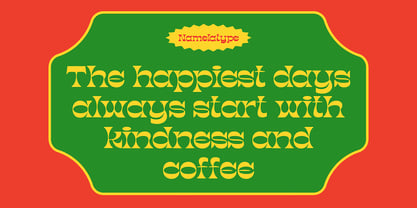
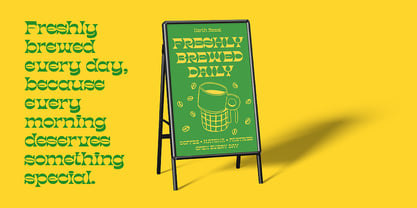
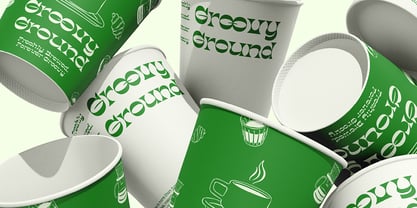
Grovine is a retro display font inspired by the vibrant visual culture of the 1960s and 1970s, where bold typography, psychedelic curves, and expressive letterforms became defining elements of graphic design. Featuring flowing curves, rounded geometric forms, and distinctive vintage proportions, Grovine brings nostalgic energy into contemporary design while maintaining excellent readability and professional versatility.

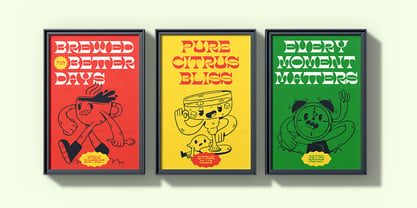
Created for designers who appreciate expressive typography and functional design, Grovine combines retro aesthetics with modern refinement. Its rhythmic forms and confident personality make it an excellent choice for branding, packaging, editorial layouts, advertising, and digital content.

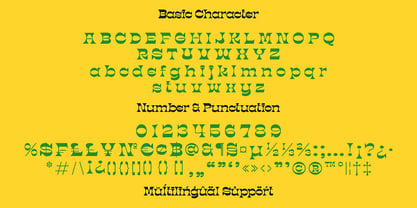
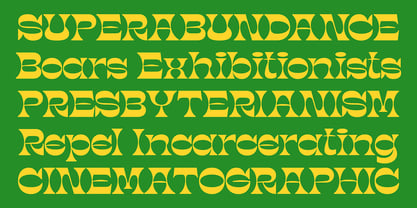
Grovine is defined by rounded geometric glyphs, flowing curves, and carefully balanced vintage proportions. Every character is designed to create a natural reading rhythm while preserving clarity across large display applications.

Its expressive personality is reinforced through bold curves, elegant symmetry, and subtle contrast inspired by classic retro typography. These design choices allow the font to feel nostalgic without appearing outdated.

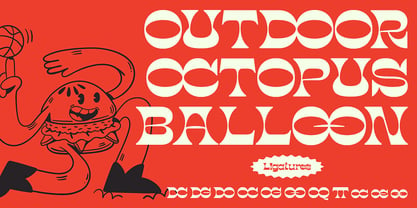
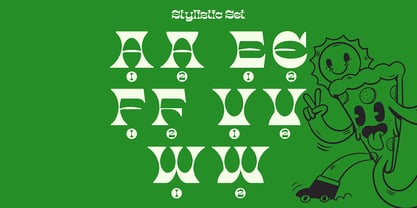
Creative ligatures and alternate characters further expand the design possibilities, allowing headlines and logos to feel unique while maintaining visual harmony.

Designer: Nur Syamsi

Foundry: NamelaType

MyFonts Debüt: Oct 8, 2026

Grovine

Über NamelaType

A type foundry based in Magelang Indonesia, operated by Nur Syamsi and Bustanul Arifin. Fascinated by the art and cultural expression inherent in typography, with a particular focus on the integration and harmonization of Latin and Arabic fonts. Dedicated to exploring how these distinct yet complementary writing systems can interact beautifully in design, merging their visual characteristics while respecting the nuances of each script.

Mehr lesen

Weniger lesen