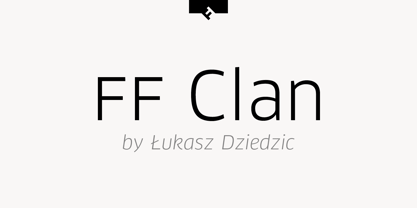
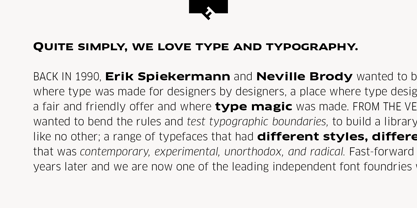
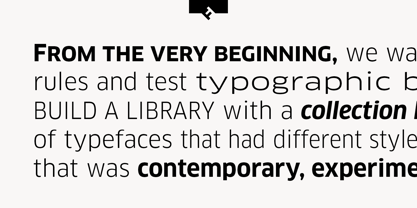
FF Clan Pro Extended Medium
FF Clan Pro Thin Italic
FF Clan Pro Regular
FF Clan Pro Italic
FF Clan Pro News
FF Clan Pro News Italic
FF Clan Pro Medium Italic
FF Clan Pro Bold
FF Clan Pro Bold Italic
FF Clan Pro Ultra
FF Clan Pro Ultra Italic
FF Clan Pro Compressed Thin
FF Clan Pro Compressed Thin Italic
FF Clan Pro Compressed Regular
FF Clan Pro Compressed News
FF Clan Pro Compressed Medium
FF Clan Pro Compressed Medium Italic
FF Clan Pro Compressed Bold
FF Clan Pro Compressed Black
FF Clan Pro Compressed Black Italic
FF Clan Pro Compressed Ultra
FF Clan Pro Condensed Thin Italic
FF Clan Pro Condensed Regular
FF Clan Pro Condensed Italic
FF Clan Pro Condensed News Italic
FF Clan Pro Condensed Medium
FF Clan Pro Condensed Medium Italic
FF Clan Pro Condensed Bold
FF Clan Pro Condensed Bold Italic
FF Clan Pro Condensed Black Italic
FF Clan Pro Condensed Ultra Italic
FF Clan Pro Narrow Thin
FF Clan Pro Narrow Regular
FF Clan Pro Narrow Bold
FF Clan Pro Narrow Ultra
FF Clan Pro Wide Thin
FF Clan Pro Wide Thin Italic
FF Clan Pro Wide Regular
FF Clan Pro Wide Italic
FF Clan Pro Wide News
FF Clan Pro Wide News Italic
FF Clan Pro Wide Medium
FF Clan Pro Wide Medium Italic
FF Clan Pro Wide Bold
FF Clan Pro Wide Black
FF Clan Pro Wide Black Italic
FF Clan Pro Wide Ultra
FF Clan Pro Extended Thin
FF Clan Pro Extended Regular
FF Clan Pro Extended Italic
FF Clan Pro Extended News
FF Clan Pro Extended News Italic
FF Clan Pro Extended Bold
FF Clan Pro Extended Black
FF Clan Pro Extended Black Italic
FF Clan Pro Extended Ultra
FF Clan Pro Extended Ultra Italic
FF Clan Pro Thin
FF Clan Pro Medium
FF Clan Pro Black
FF Clan Pro Black Italic
FF Clan Pro Compressed Italic
FF Clan Pro Compressed News Italic
FF Clan Pro Compressed Bold Italic
FF Clan Pro Compressed Ultra Italic
FF Clan Pro Condensed Thin
FF Clan Pro Condensed News
FF Clan Pro Condensed Black
FF Clan Pro Condensed Ultra
FF Clan Pro Narrow Thin Italic
FF Clan Pro Narrow Italic
FF Clan Pro Narrow News
FF Clan Pro Narrow News Italic
FF Clan Pro Narrow Medium
FF Clan Pro Narrow Medium Italic
FF Clan Pro Narrow Bold Italic
FF Clan Pro Narrow Black
FF Clan Pro Narrow Black Italic
FF Clan Pro Narrow Ultra Italic
FF Clan Pro Wide Bold Italic
FF Clan Pro Wide Ultra Italic
FF Clan Pro Extended Thin Italic
FF Clan Pro Extended Medium Italic
FF Clan Pro Extended Bold Italic