Ignorer et passer au contenu
Accéder au contenu principal

Atett CYR

par Fontanatype
Styles individuels à partir de $19.00 USD
La famille de polices Atett CYR a été conçue par Amondó Szegi et publiée par Fontanatype. Atett CYR contient 1 styles. En savoir plus sur cette famille

À propos de la famille


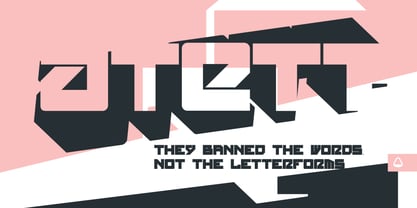
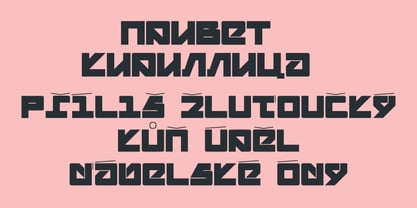
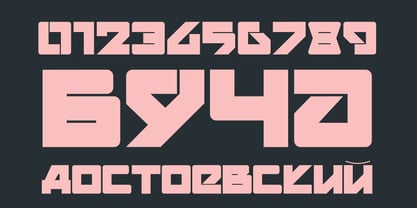
ATETT CYR — Display Typeface

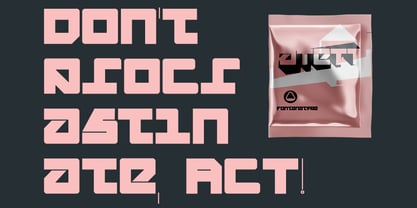
Your type should have a point of view. This one was banned for it.

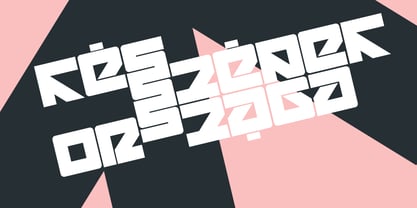
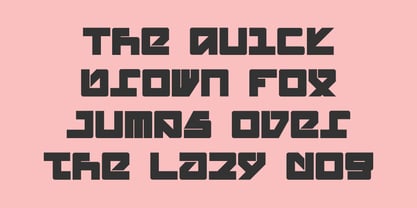
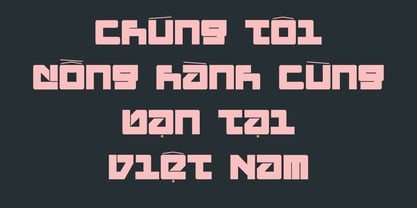
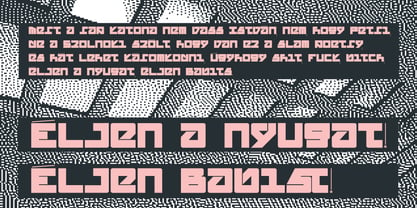
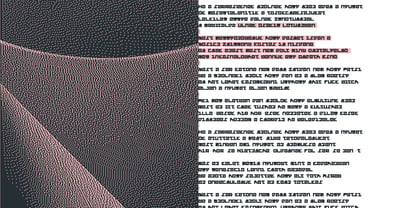
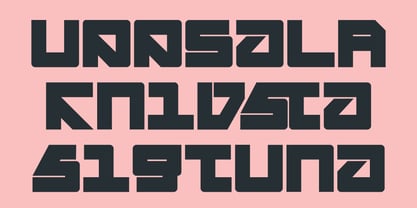
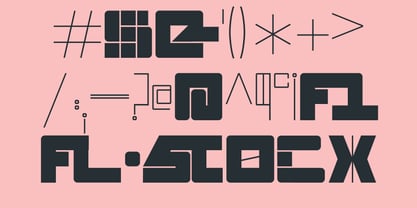
Unicase means one case, one rhythm, one voice. No hierarchy between upper and lower — every character holds the same ground. The hairline diacriticals add an unexpected counterpoint: thin, precise marks that punctuate the heavy forms and give the typographic texture a syncopated beat.

Named after A Tett — the Hungarian avant-garde magazine founded by Lajos Kassák in 1915. Anti-war, cosmopolitan, banned twice. The font carries that energy: unicase, monospace, no ascenders, no descenders. Nothing wasted. Everything deliberate.

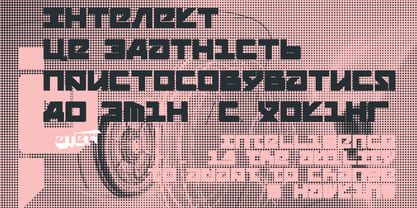
Supports Latin — including Vietnamese — and Cyrillic. Built for use across cultures, just like the original magazine was.

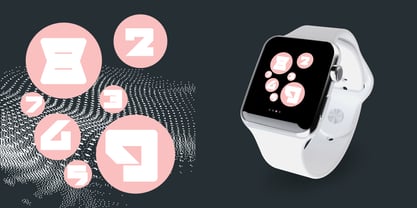
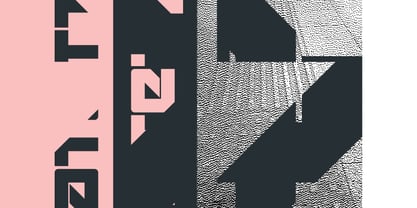
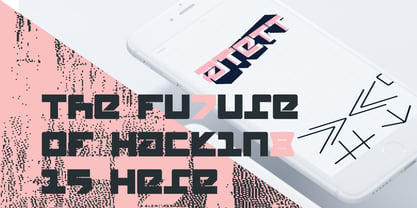
Works at any scale. Posters, screens, applications. The rawness holds.

Concepteurs: Amondó Szegi

Fonderie: Fontanatype

MyFonts débout: Jul 6, 2026

Atett CYR

À propos Fontanatype

Fontanatype is an independent Hungarian type foundry founded in 1999 by Amondó Szegi and Gábor Kóthay — one of the first in Hungary to reach an international audience. Over 25 years, its typefaces have been distributed through T-26 (where several achieved bestseller status), P22/IHOF, and The Type Foundry, with a Canva license for Crave Neue. Led by Amondó — designer, typographer, and type design educator at MOME and other design schools in Budapest — the foundry's work ranges from historically informed text families to experimental display designs, always connecting craft with cultural intent. Fontanatype typefaces serve editorial design, brand identity, and cultural projects internationally. On MyFonts, the foundry appears under two labels: MONOVO for its contemporary releases, and Fontanatype for its broader catalogue — classics, experiments, and new work. The foundry's name and logo are no accident — a quiet nod to Duchamp, and to the idea that a letter, like any object, can be lifted from its context and made to mean something new.

En savoir plus

Lire moins