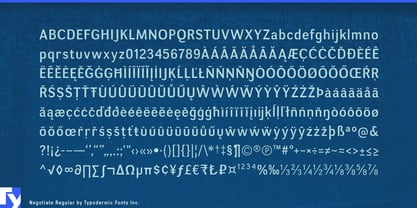
Some projects need to persuade people who did not ask to be persuaded. A transmission corridor, data-center campus, housing redevelopment, or flood-resilience program may be technically sound, but the public-facing material still has to explain what is changing, why it matters, what alternatives were considered, and how different interests fit into the decision. Too much corporate polish can make that communication feel prepackaged; overly technical typography can make it read like an instruction manual.
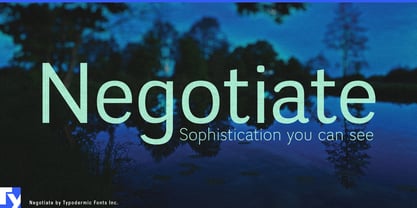
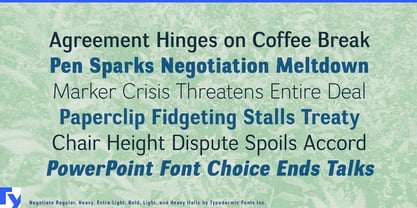
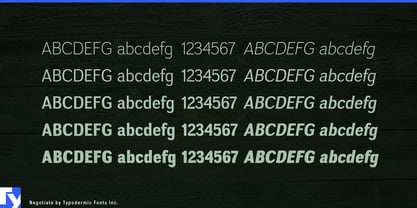
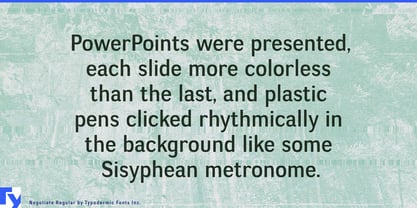
Negotiate is built for that middle ground. Its forms balance flat and rounded terminals, giving the text a small amount of tension without turning it into a display effect. The result feels organized but not mechanical, approachable without becoming soft or casual. Its weights, matching italics, and oldstyle figures give designers room for headings, quotations, captions, statistics, timelines, and sustained prose within one visual system.
Infrastructure public consultation is a particularly strong setting. Transmission upgrades, substations, offshore-grid connections, battery-storage developments, water projects, and other large systems generate route-option brochures, community consultation boards, environmental summaries, landowner information packs, project FAQs, meeting presentations, construction updates, and consultation reports. Negotiate can keep technical diagrams and maps connected to readable explanatory text without making the material look like either advertising or bureaucracy.
Data-center and AI-infrastructure development creates a similar communication problem. New campuses may need to explain electricity demand, water use, noise, land requirements, grid connections, construction phases, and local benefits to governments and neighboring communities. Negotiate can work across planning-consultation decks, community websites, water-use explainers, energy diagrams, mitigation summaries, permitting material, town-hall boards, and local-impact reports where credibility depends on clarity rather than technological spectacle.
Urban redevelopment and housing projects extend the same role into neighborhoods. Station-area plans, mixed-use districts, housing developments, public-realm upgrades, and major masterplans need materials that move between architectural renderings, maps, timelines, policy explanations, and resident feedback. Negotiate suits consultation booklets, workshop boards, planning summaries, tenant information, design-guideline documents, and public exhibitions.
Climate adaptation adds another layer of complexity. Flood protection, stormwater systems, coastal resilience, heat planning, and water-security projects combine engineering with public policy and everyday life. Negotiate can handle resilience strategies, neighborhood adaptation plans, risk explainers, project boards, preparedness guides, and investment summaries without making every page feel like an emergency notice.
Standards, policy, and industry-consensus publishing provide a quieter but equally natural role. Technical roadmaps, consultation papers, interoperability frameworks, working-group reports, policy briefs, and industry-association publications often have to present complex information produced by several stakeholders.
Negotiate is most useful for the layer between a project’s identity and its raw technical documentation: the reports, consultations, briefings, and explanatory material that have to make complicated decisions understandable without overselling them.