




Ignorer et passer au contenu
Accéder au contenu principal

Selectric Melt

par Indian Summer Studio
Styles individuels à partir de $45.00 USD
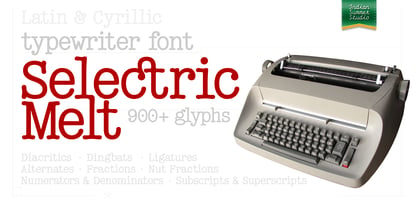
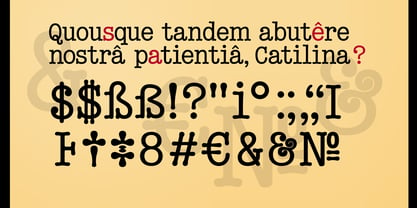
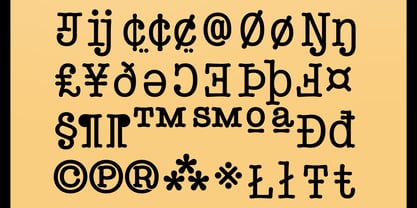
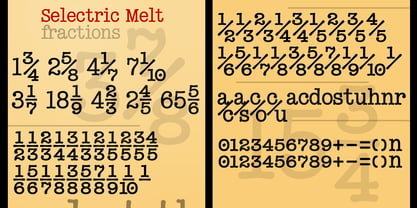
La famille de polices Selectric Melt a été conçue par Alexander Bobrov et publiée par Indian Summer Studio. Selectric Melt contient 1 styles.

En savoir plus sur cette famille

À propos de la famille


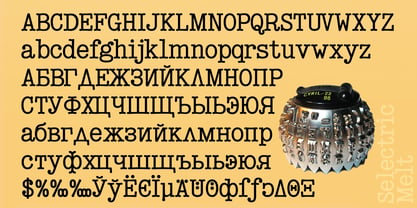
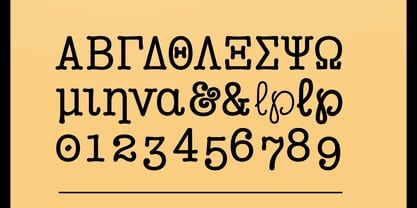
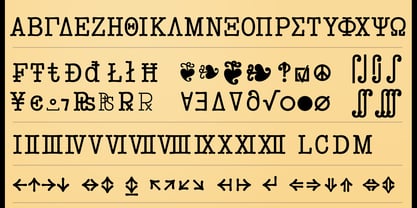
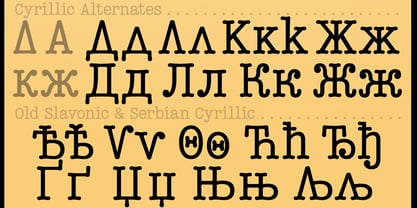
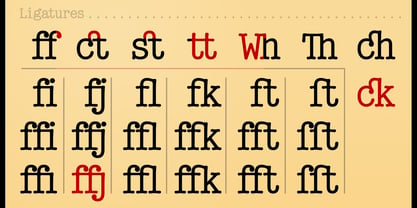
A classical 20-th century's (1900s to 1980s) typewriter font for both text and large display usage, titles, signage...


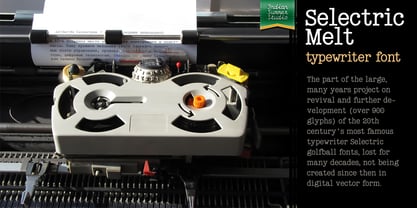
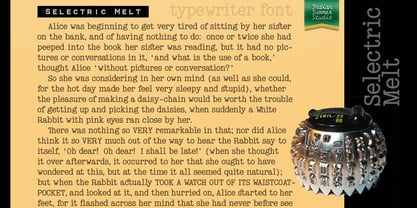
A new thicker version of Selectric (2016), as if typed using not a thin carbon ribbon but a coarse fabric one. Both are available on a different models of Selectrics.


Made after rare enough samples of the same style used during 1980s in the USSR.


Based on the actual letter proportions of the original typewriter Selectric (2016) (Cyrillic ball). This time not monospaced as before, but proportional.


The single known so far previous typewriter vector typeface with this 'ink blotting' effect (similarly expanded serifs) as in Dodo (2008) is ITC American Typewriter (1974; by Joel Kaden and Tony Stan) and all its hand drawn analogs from 1980s (and perhaps before).


Which, in turn, is resembling ATF Bulletin Typewriter's (1925, 1933; by Morris Fuller Benton) overall proportions, geometry, and even had some natural ink expands in its paper sample (but not by design, as I see it).


Concepteurs: Alexander Bobrov

Éditeur: Indian Summer Studio

Fonderie: Indian Summer Studio

Maître d'ouvrage: Indian Summer Studio

MyFonts débout: Aug 28, 2020

Selectric Melt

À propos Indian Summer Studio

Indian Summer Studio was founded in 2001 by Alexander Bobrov as a design & software studio of a full range, incl. logos & identity, book illustrations, web development, web projects & communities, game design. In early 2000s its focus became type design, lettering, calligraphy. Considering that the whole contemporary design is based on a typeface design, written λόγος. One of the main type design fields of the studio is reviving notable historical types (of the 20th century, 19th and further back in history down to antiquity), widely used by civilization before 1990s, when they were replaced by relatively few vector computer fonts and were almost lost among this new vogue, despite their utmost graphical & aesthetical values.

En savoir plus

Lire moins