Ir directamente al contenido
Ir al contenido principal

Buum

por Ondrej Chory
Estilos individuales desde $30.00 USD
La familia tipográfica Buum fue diseñada por Ondrej Chory y publicada por Ondrej Chory. Buum contiene 1 estilos.

Más información sobre esta familia

Sobre la familia


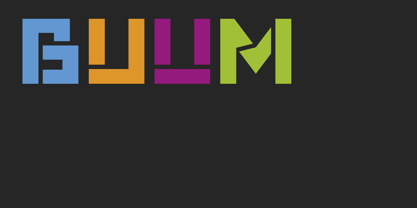
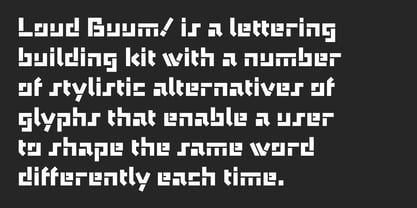
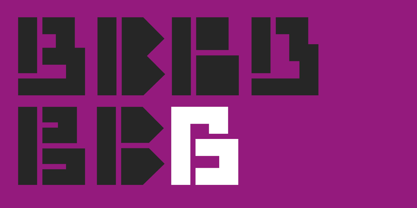
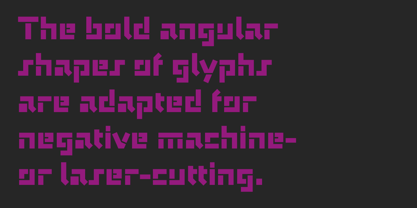
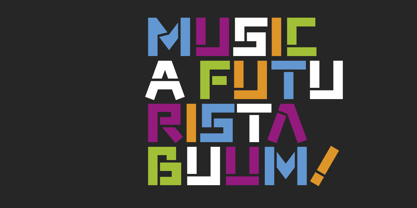
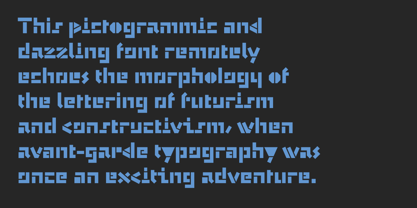
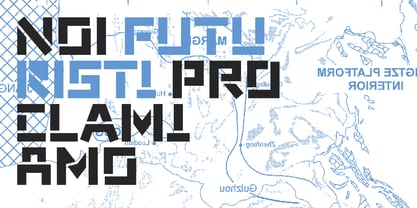
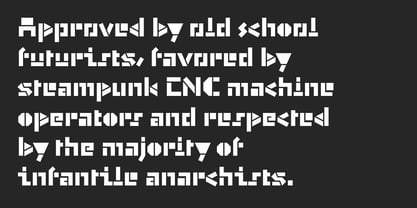
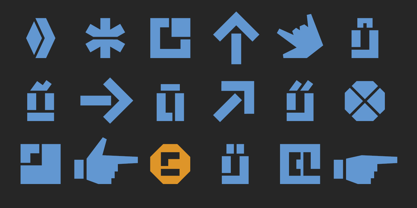
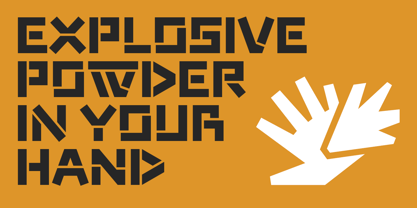
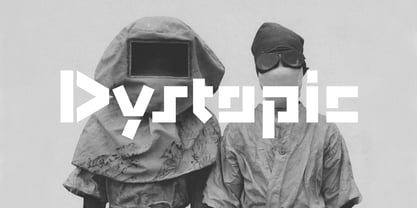
The Buum typeface evolved from the explosive lettering originally designed as part of a house style for an interactive science centre for kids. Beside its usual application as a strong display font in print and on screen, the bold angular shapes of glyphs are adapted for negative machine- or laser-cutting into structural materials such as iron sheets, plywood, or stone ... and for creating tactile expressive surfaces and 3D objects. This pictogrammic and dazzling font remotely echoes the morphology of the lettering of futurism and constructivism, when avant-garde typography was once an exciting adventure. It is a lettering building kit with a number of stylistic alternatives of glyphs that enable a user to shape the same word differently each time. Buum is recommended by nine out of ten old school futurists, favored by steampunk CNC operators and respected by the majority of infantile anarchists.

Diseñadores: Ondrej Chory

Editorial: Ondrej Chory

Fundición: Ondrej Chory

Propietario del diseño: Ondrej Chory

MyFonts debut: Nov 19, 2019

Buum

Acerca de Ondrej Chory

The current technology of font creation makes it possible to put into digital operation even completely instant and improvised fonts. And then also fonts distributed within a visual style, i.e. fonts tailored for a single project. And then experimental fonts, on the edge of art or scientific research. These typefaces can react quickly to a change of atmosphere, are quickly created and quickly consumed, thrown on the scrapheap, but they can also define new spaces for the typographic mainstream, which gradually (sometimes quickly) takes over formerly indigestible shapes and makes them the new fashion. Can a font that struggles to maintain a relationship with the alphabet and language be turned into a marketable product that is occasionally usable and also works flawlessly as software?

Seguir leyendo

Leer menos