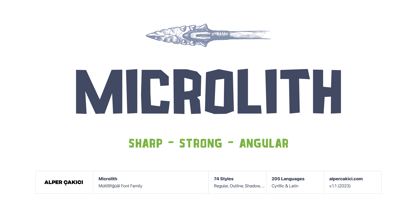
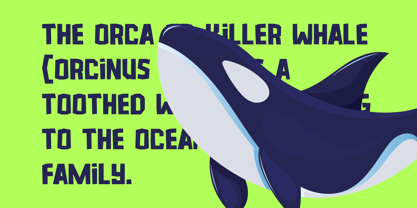
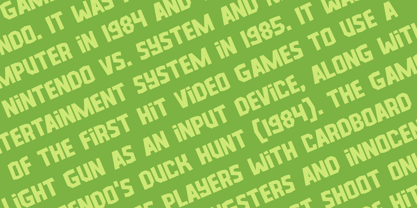
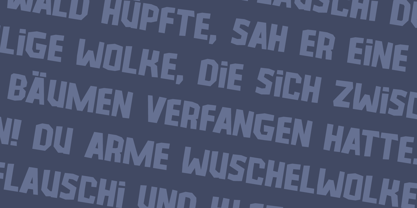
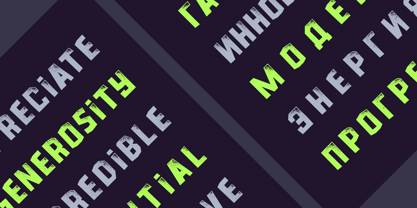
Microlith is an expressive experimental display typeface built around irregular geometry, sharp cuts, uneven proportions, and a deliberately constructed sense of visual tension. Its letterforms feel as though they have been carved, fractured, pressed, and reassembled into a bold typographic system—giving the family a distinctive rugged character without losing its strong display presence.
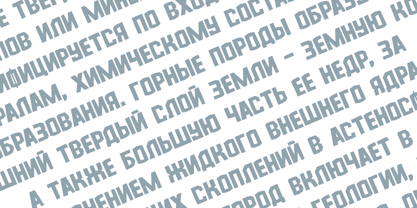
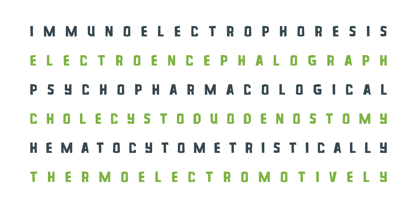
The core design combines angular silhouettes, faceted corners, asymmetrical details, compact forms, and unexpected geometric interruptions. Rather than following conventional geometric construction, Microlith embraces controlled irregularity: individual characters can feel slightly distorted, cut, or shifted, creating a raw and energetic rhythm across words and headlines.
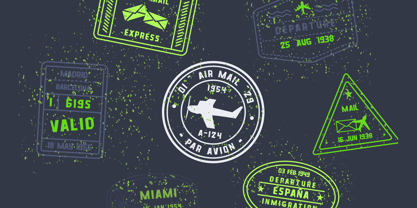
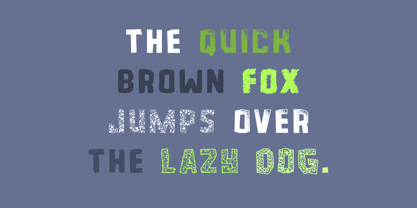
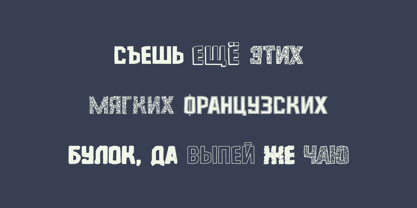
The family includes 74 styles, expanding the core design into a broad collection of expressive treatments. Alongside the Regular and Italic styles are variations such as Rough, Rounded, Crumple, Crankle, Cutout, Outline, Shadow, Inline, Letterpress, Pressed, Rustic, Sketch, Scatter, Spotty, Polka, Pentadot, Cluster, Dragee, and Calligraphic. These variations make Microlith suitable for projects ranging from clean experimental typography to more distressed, tactile, decorative, and handmade applications.
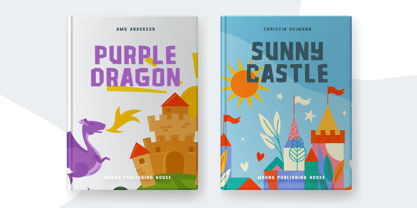
Despite its unconventional construction, the typeface maintains a strong visual presence at display sizes. The bold shapes and distinctive counters make it particularly effective for posters, headlines, album artwork, branding, logos, packaging, editorial graphics, advertising, titles, merchandise, and other attention-grabbing applications.
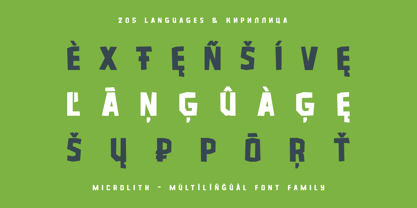
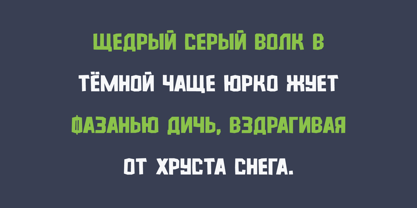
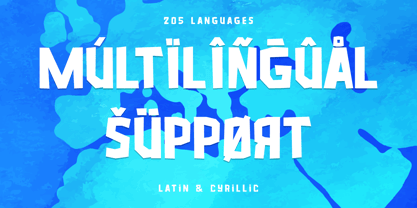
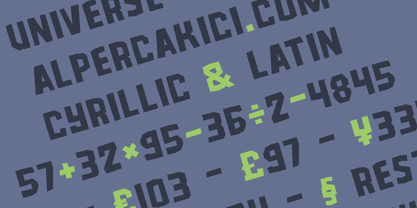
Microlith supports Latin and Cyrillic, making its extensive style collection suitable for multilingual creative work. With 480 glyphs and a large range of stylistic treatments, the family provides designers with substantial flexibility for creating cohesive visual identities while introducing variation from one application to another.
The family is designed for both digital and print applications, with its strong silhouettes and high-impact details making it especially effective when typography needs to function as a graphic element rather than simply convey information.
From sharply constructed headlines to rough, pressed, outlined, shadowed, scattered, or cutout compositions, Microlith offers a deliberately imperfect alternative to conventional display typefaces. It is a type family for designers looking for typography that feels constructed, physical, irregular, bold, and unmistakably expressive.