Ir directamente al contenido
Ir al contenido principal

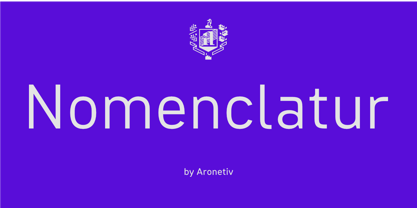
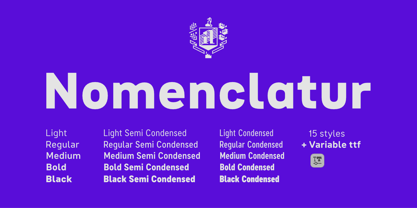
Nomenclatur

por Aronetiv
Estilos individuales desde $9.99 USD
Familia completa de 16 fuentes: $199.00 USD
La familia tipográfica Nomenclatur fue diseñada por Aleksey Popovtsev y publicada por Aronetiv. Nomenclatur contiene 16 estilos y opciones de paquete familiar.

Más información sobre esta familia

Sobre la familia


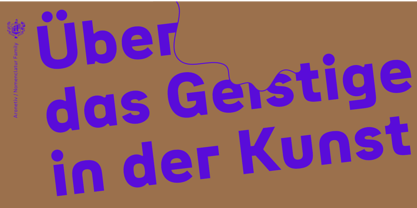
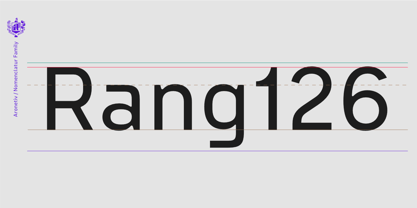
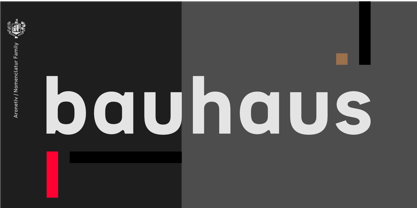
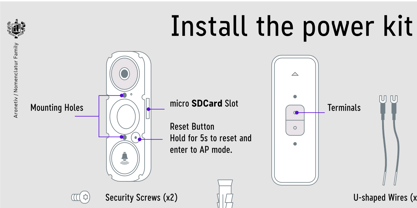
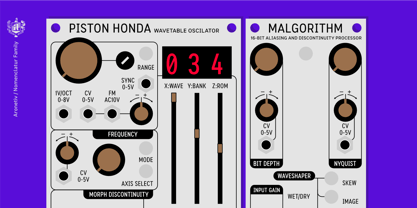
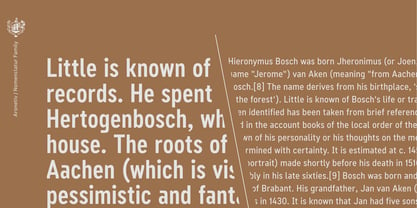
The font was created under the influence of German tabular inscriptions. Especially, DIN font influenced on Nomenclatur graphic. It adds clarity and conciseness in the font. Nomenclatur is intended for use in architectural and design topics. It is also intended for a set of instructions and manuals. The font has the aesthetics of the Bauhaus and other constructivist movements. Characters of font are designed with high intelligibility, which makes it well readable in a small size. The lowercase letter "l" has a tail, so as not to confuse it with the capital letter "I", which has serifs.

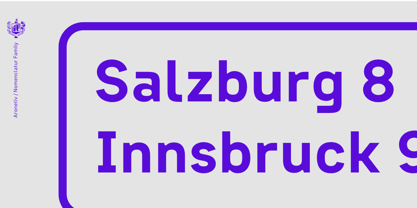
It avoids confusion in words like "Illinois". The font is well suited for the design of signs and navigation texts. A wide selection of styles allows you to design complex typography.


The font family includes 15 styles.

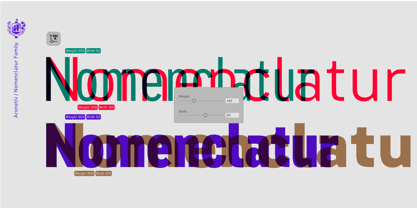
The font family has a variable font with two axes of weight and width.

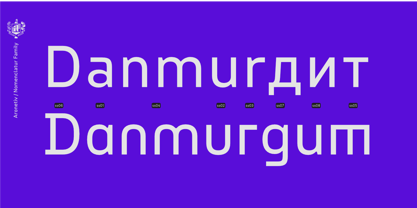
The font contains a set of alternative characters that will allow you to create different moods.

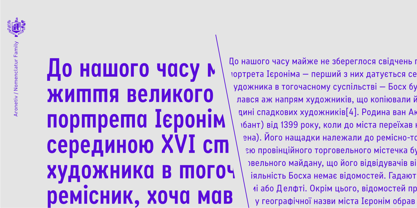
The font contains Western European Latin and standard Cyrillic.

The font has more than 3,600 kerning pairs configured.

The font contains beautiful ampersand.

Diseñadores: Aleksey Popovtsev

Editorial: Aronetiv

Fundición: Aronetiv

Propietario del diseño: Aronetiv

MyFonts debut: Apr 10, 2020

Nomenclatur

Acerca de Aronetiv

Aronetiv was founded in 2019 in Kyiv. It employs one person: artist and graphic designer Oleksii Popovtsev. Once Oleksii said that he likes to observe how a letter is born on the border of black and white, as shape and counter-shape create an image. This is his search and inspiration for all his works. Aronetiv develops fonts with Cyrillic and alphabets of Eastern Europe languages, to form a common European culture both in Ukraine and abroad.

Seguir leyendo

Leer menos