

Ir directamente al contenido
Ir al contenido principal

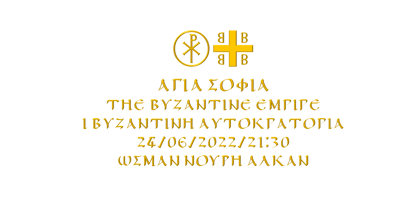
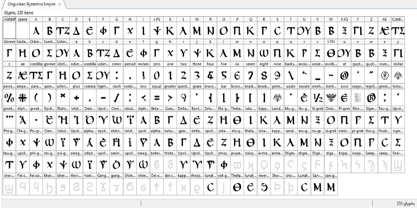
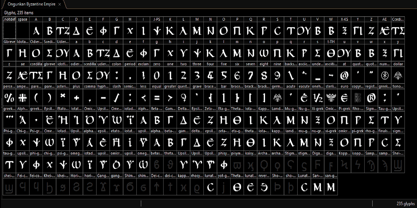
Ongunkan Eastern Roman Empire

por Runic World Tamgacı
Estilos individuales desde $150.00 USD
Familia completa de 2 fuentes: $250.00 USD
La familia tipográfica Ongunkan Eastern Roman Empire fue diseñada por Osman Nuri ALKAN y publicada por Runic World Tamgacı. Ongunkan Eastern Roman Empire contiene 2 estilos y opciones de paquete familiar. Más información sobre esta familia

Sobre la familia


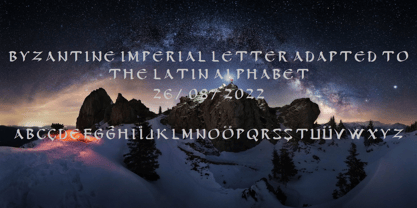
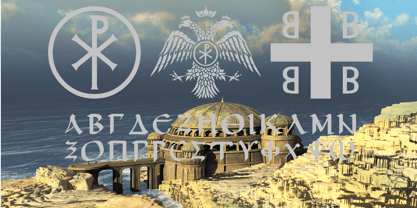
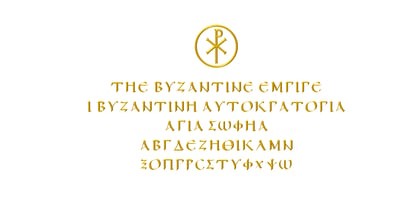
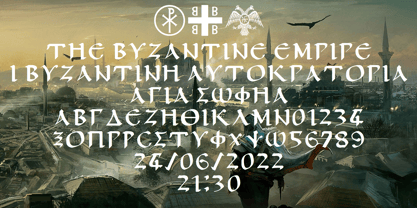
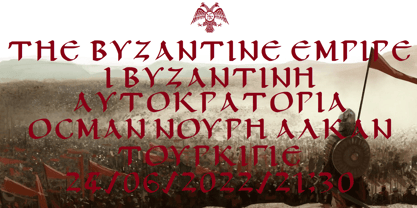
The Byzantine Empire, also known as the Eastern Roman Empire, was the continuation of the Roman Empire centred on Constantinople during late antiquity and the Middle Ages. Having survived the events that caused the fall of the Western Roman Empire in the 5th century AD, it endured until the fall of Constantinople to the Ottoman Empire in 1453. The term 'Byzantine Empire' was coined only after its demise; its citizens used the term 'Roman Empire' and called themselves 'Romans'. During the early centuries of the Roman Empire, the western provinces were Latinised, but the eastern parts kept their Hellenistic culture. Constantine I (r. 324–337) legalised Christianity and moved the capital to Constantinople. Theodosius I (r. 379–395) made Christianity the state religion and Greek gradually replaced Latin for official use. The empire adopted a defensive strategy and, throughout its remaining history, experienced recurring cycles of decline and recovery.   I discovered these fonts by studying manuscripts from that period that I found through my internet research.

Diseñadores: Osman Nuri ALKAN

Fundición: Runic World Tamgacı

MyFonts debut: Dec 29, 2025

Ongunkan Eastern Roman Empire

Acerca de Runic World Tamgacı

As my interest in rune writings grew, it became inevitable for me to make my own fonts. It was time to put all these years of hard work into action. This foundry, named Runic World Tamgacı, was prepared as a platform for the distribution of font studies developed on Old European Runic inscriptions, Old Asian Runic inscriptions, Old Hungarian Runic inscriptions, Runic inscriptions found in Africa and Arabian geography, and Italic inscriptions such as Etruscan and Iberian. These fonts, which have high aesthetic design and a full list of letters, will serve as a wide source especially for academic studies and amateur researchers, including derivative letters. It will also please enthusiasts interested in this field. The inventory of the foundry will be constantly updated and expanded with new additions to the fonts of these mysterious ancient inscriptions. These Runic studies were made from scratch by looking at the relevant sources.

Seguir leyendo

Leer menos