



Skip to content
Skip to main content

Biegen

by Akanksha Rawat
Individual Styles from $15.00 USD
The Biegen Font Family was designed by Akanksha S Rawat and published by Akanksha Rawat. Biegen contains 1 styles. More about this family

About the family


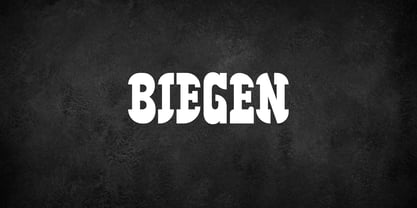
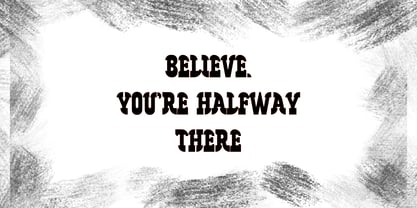
Biegen is a modern display typeface shaped by the expressive potential of curved geometry and bold visual rhythm. Its design is inspired by the subtle bends found in contemporary architecture, signage, and urban structures—where straight lines are softened by intentional curvature. This interplay between structure and motion gives Biegen its distinctive voice: confident, dynamic, and visually engaging. Designed primarily for display use, it brings a strong personality to headlines, logos, and branding applications where impact is essential. The tone of Biegen is modern, geometric, and slightly experimental, making it well-suited for creative industries, fashion branding, packaging, and digital campaigns. Its forms are constructed to capture attention instantly, with carefully exaggerated curves and balanced proportions that create a memorable typographic presence. Despite its expressive style, Biegen maintains clarity, ensuring that it remains legible even in bold, large-scale compositions. Biegen is built with professional functionality in mind, offering a range of OpenType features that enhance its versatility in display settings. Discretionary ligatures introduce unique character combinations that add flair and sophistication to headlines. Contextual alternates ensure smoother visual flow by subtly adjusting letterforms based on their surroundings. Stylistic sets provide alternative glyphs, allowing designers to explore different moods and customize the overall appearance of their typography. These features make Biegen adaptable while preserving its core identity. The typeface includes extended Latin language support. This makes it a reliable choice for international branding and communication projects. In addition, Biegen offers alternates for uppercase letters in a structured layout and oldstyle figure for a more classic, text-integrated look. These details add practical value, especially in editorial or data-driven design contexts. What sets Biegen apart is its unique balance between geometric construction and organic curvature. Unlike traditional geometric display fonts that can feel rigid or mechanical, Biegen introduces subtle variations in its forms, creating a sense of movement and warmth. This gives it a distinctive edge in a crowded category, allowing designs to feel both modern and approachable. Its character shapes are crafted to stand out without overwhelming the composition, making it an effective tool for strong visual storytelling. Biegen is ideal for display-focused applications such as logos, posters, headlines, social media graphics, and packaging design. It performs best at larger sizes, where its details and personality can fully shine. Whether used as a centerpiece or as part of a broader visual system, Biegen delivers a bold and contemporary typographic statement. With its geometric foundation, fluid curves, and expressive design, Biegen offers a fresh perspective on display typography—combining impact, flexibility, and refined detail in a single cohesive typeface.

Designers: Akanksha S Rawat

Foundry: Akanksha Rawat

MyFonts debut: Apr 23, 2026

Biegen

About Akanksha Rawat

Akanksha Rawat Type Foundry is an independent design practice focused on crafting expressive, contemporary typefaces rooted in clarity, cultural nuance, and purposeful form. The foundry’s work explores the intersection of language, identity, and visual communication—balancing functional precision with distinctive character. Driven by a deep interest in how typography shapes reading experiences, the foundry approaches design with careful research, iterative refinement, and attention to detail across scripts and styles. Each project reflects a commitment to versatility, readability, and aesthetic depth, ensuring typefaces perform seamlessly across digital and print environments. What defines the foundry’s voice is its sensitivity to rhythm, proportion, and storytelling through letterforms. Influences range from traditional calligraphic structures to modern design systems, resulting in type that feels both grounded and forward-looking. The goal is to create typefaces that not only communicate effectively but also contribute meaningfully to the evolving visual language of global design.

Read more

Read less